What Are Invasive Plants?
They are tree, shrub and plant species, also known as non-native, that have been intentionally or unintentionally introduced by human activity into a region where they did not evolve. Some are not overtly harmful, but many displace native plants that animals and insects, including our native birds, butterflies, and pollinators, depend on for food, raising their young, and shelter. Invasive, non-native plants can also be so aggressive that they push out other plants creating a monoculture that is very harmful to the local ecology.
Specific Issues with English Ivy
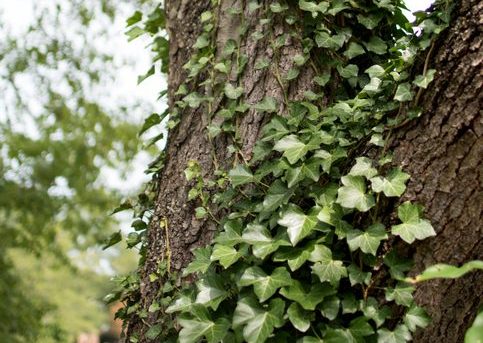
English ivy is sneaky. It disguises itself as a nice evergreen, ground cover. When left unmanaged, it overwhelms landscapes and natural areas, smothering and choking other plants as it grows. English ivy grows up trees and may eventually kill them.
Unmanaged, it replaces biodiversity and turns natural areas into “ivy wastelands.”
- It makes cozy homes for rats, slugs, mosquitoes and other problem wildlife.
- Its shallow, matted root system increases the likelihood of erosion and slope failure.
- It weakens trees by keeping the bark damp and wet and blocking sunlight.
- It can suck water and nutrients from the tree through the bark and adds to the wind load and weight on the tree in a storm, making it more likely for the tree to fall.
- It will quickly displace flowers, shrubs and eventually trees.
- It harms pollinators and birds by crowding out their sources of food and shelter.
Simply put, English Ivy is a major problem in our parks and home landscapes. It spreads fast from its roots, vines and seeds.
Why Should I Plant Natives?
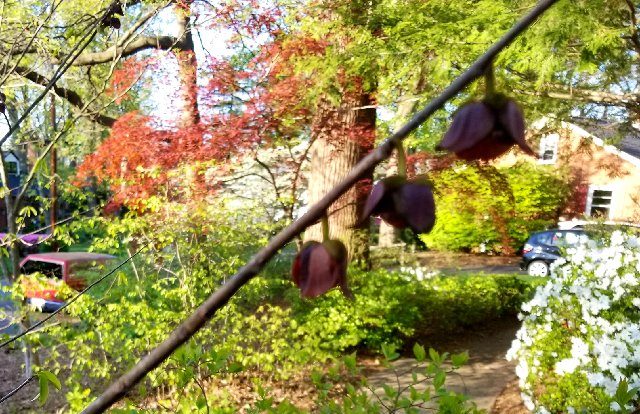
Planting native plants offers many benefits, including supporting native birds, butterflies and pollinators. Native plants also conserve water and need much less maintenance once established.
- Support Local Wildlife and Pollinators
Native plants provide essential food and habitat for local wildlife, including birds, butterflies, and beneficial insects. They have evolved alongside these species, creating a symbiotic relationship that supports biodiversity in your garden. - Water Conservation
Native plants are adapted to the local climate and typically require less water than non-native species. BONUS: Native trees take up lot of water which is very helpful in areas prone to flooding! - Low Maintenance
Once established, native plants require minimal care as they are evolved to flourish in the local soil and climate conditions. - Reduce Invasive Species
Native species can help combat the spread of invasive plants that threaten the local ecology. - Aesthetic Appeal
Many native trees, shrubs and plants are very attractive, especially if you follow design suggestions in guides like such as this one: https://www.plantvirginianatives.org/plant-southeast-virginia-natives - Create a Sense of Place
Native plants help maintain the local ecosystem and the natural heritage of your area. Many of the native plants in your region have a long history as a source of medicine and food. Some examples are Serviceberry and Chickasaw Plum trees, Elderberry and Blueberry Shrubs, and flowers like Boneset.
A great book on the reasons to plant native plants is Douglas Tallamy’s Nature’s Best Hope. His associated website Homegrown National Park offers a way to add the natives you plant to a map of the whole country.
 CIRT
CIRT 